How to Winter-Proof Your Garage Door: Essential Tips for Homeowners
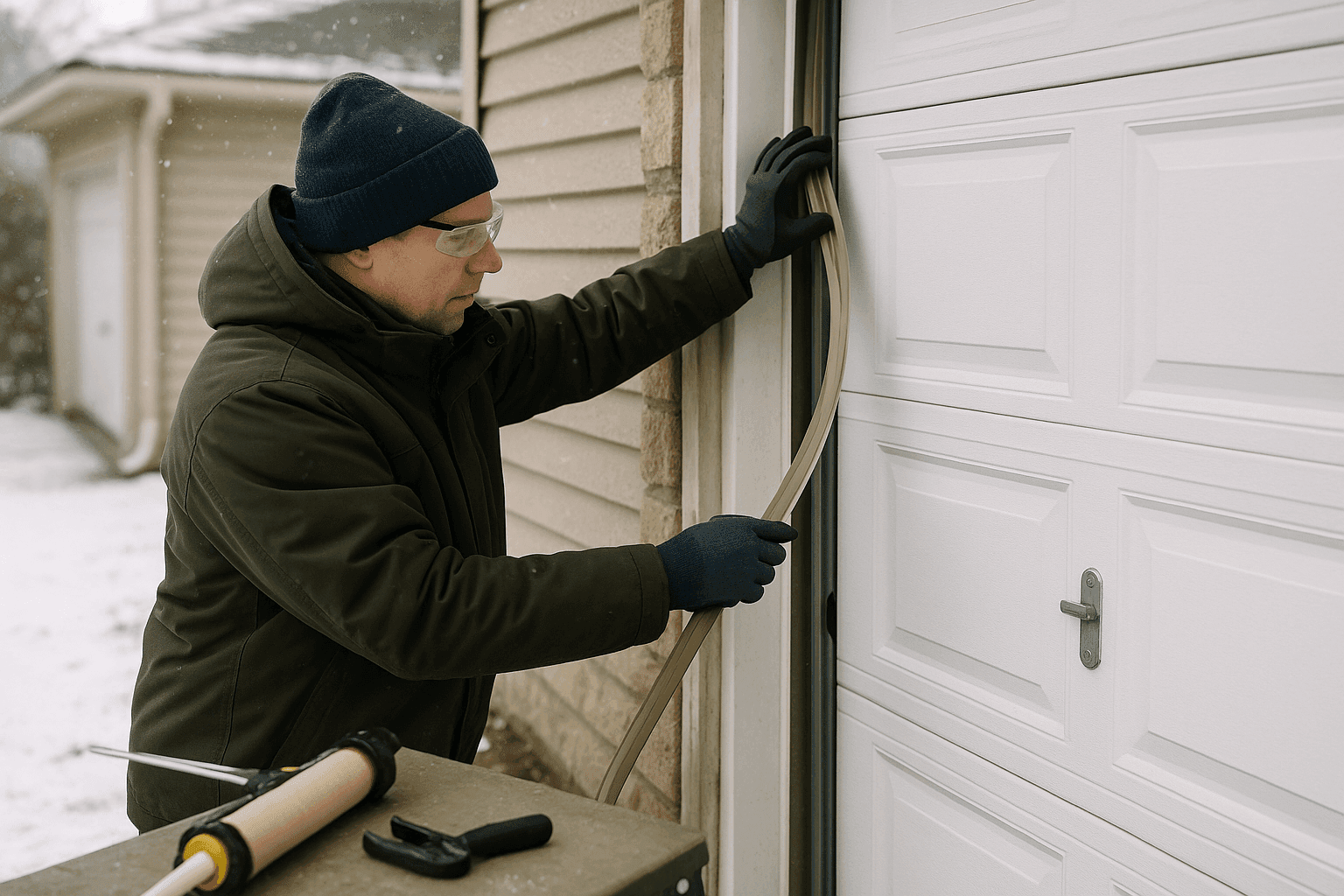
Winter can be tough on your garage door. Cold snaps, icy winds, and heavy snow test every moving part. If your garage is the main entryway for your family—or your car’s only shelter—you know how important it is to keep things running smoothly.
At MOM Garage Door!, we’ve seen it all. Frozen panels, snapped springs, doors stuck shut on the coldest morning of the year. That’s why we’re sharing these essential winter-proofing tips, so you can avoid those 3 a.m. emergency garage_doors calls and keep your home safe and warm.
Common Winter Garage Door Problems
When the temperature drops, your garage door faces a unique set of challenges:
- Weatherstripping Deterioration: The rubber or vinyl seal at the bottom of your door can crack or harden, letting in cold drafts and moisture.
- Freezing Mechanisms: Metal parts contract in the cold, making springs and cables more likely to snap.
- Stuck Doors: Ice can glue your door to the ground, or frozen tracks can block movement.
- Opener Malfunctions: Batteries die faster, and motors can struggle in low temperatures.
Think of your garage door like a winter coat for your home. If it’s got holes or broken zippers, you’re going to feel the chill.
Quick Safety Checklist for Winter Prep
Before you start, run through this checklist:
- Unplug the garage door opener before working on mechanical parts.
- Wear gloves to protect your hands from sharp edges and cold metal.
- Never attempt to adjust high-tension springs yourself—serious injury risk.
- Use a sturdy ladder on flat, dry ground.
- Keep children and pets away from the work area.
Safety first. If you’re ever unsure, don’t risk it—help is always a call away.
Inspecting and Replacing Weatherstripping 🧤
Weatherstripping is your first line of defense against winter’s bite. Here’s how to check it:
- Look for Gaps: Close the door and inspect the bottom and sides for light or drafts.
- Check for Cracks or Hard Spots: Old weatherstripping can turn brittle or split.
- Replace as Needed: Remove old strips by pulling or unscrewing them. Clean the surface, then press or screw in new weatherstripping (available at most hardware stores).
Pro Tip: For best results, choose weatherstripping rated for extreme cold. The International Door Association recommends flexible vinyl or rubber for winter climates.
Lubricating Moving Parts Before Winter
Cold weather thickens grease and oil, making moving parts sluggish. Imagine trying to run with frozen shoelaces—everything just drags.
- Hinges, Rollers, and Tracks: Use a silicone-based lubricant, not WD-40, which can attract dirt and freeze.
- Springs: Apply a light coat to prevent rust and squeaks.
- Opener Chain or Screw: A dab of white lithium grease keeps things humming.
Wipe away old, dirty grease first. Lubricate every few months, especially before the first freeze.
Checking and Maintaining Garage Door Springs and Cables
Springs and cables are like the muscles and tendons of your garage door. In winter, they’re under extra strain.
How to Inspect
- Look for Rust or Fraying: Any sign of wear means it’s time to call a professional.
- Test Balance: Disconnect the opener (pull the emergency cord) and lift the door halfway. If it stays put, springs are in good shape. If it drops or shoots up, they may be worn out.
Warning: Never try to adjust or replace springs or cables yourself. According to the Door & Access Systems Manufacturers Association (DASMA), these parts are under extreme tension and can cause serious injury.
Preparing Garage Door Openers for Cold Weather
Your opener is the brain of the operation. Cold can slow it down or knock it out.
- Check the Battery: Replace remote and keypad batteries before winter.
- Inspect Safety Sensors: Wipe lenses clean and make sure they’re aligned.
- Test Auto-Reverse: Place a roll of paper towels in the door’s path and close it. The door should reverse immediately upon contact.
- Listen for Strain: If the opener sounds like it’s struggling, it may need adjustment or lubrication.
If your opener is more than 10 years old, consider upgrading to a model with better cold-weather performance.
When to Call Emergency Garage Door Services 🚨
Sometimes, even the best prep isn’t enough. Here’s when you should call MOM Garage Door! for emergency garage_doors help:
- The door won’t open or close at all.
- You hear a loud bang—springs may have snapped.
- The door is crooked or hanging off its tracks.
- You see frayed or broken cables.
- The opener motor runs but the door doesn’t move.
Don’t try to force a stuck door. You could cause more damage—or hurt yourself.
DIY vs. Call a Pro: Knowing Your Limits
Some winter maintenance is safe for homeowners. But certain repairs are best left to trained technicians.
DIY Tasks
- Replacing weatherstripping
- Lubricating hinges, rollers, and tracks
- Cleaning sensors and remotes
Call a Pro For
- Spring or cable replacement
- Track repair or realignment
- Roller replacement (if not simple clip-in styles)
- Panel replacement or structural issues
- Emergency garage_doors situations
When in doubt, remember: fixing a garage door isn’t like changing a lightbulb. The risks are real.
What Pros Do On Arrival
When MOM Garage Door! arrives, here’s what you can expect:
- Thorough Inspection: We check every component—springs, cables, tracks, rollers, opener, and weatherstripping.
- Safety Assessment: We look for urgent hazards, like frayed cables or broken springs.
- Immediate Repairs: We carry most parts on our trucks, so we can fix common issues right away.
- Preventative Advice: We’ll show you what caused the problem and how to prevent it next time.
Our technicians follow industry best practices from organizations like DASMA and the International Door Association.
Prevention & Maintenance: Your Winter Checklist
Stay ahead of winter breakdowns with these steps:
- Inspect and replace weatherstripping every fall.
- Lubricate moving parts before the first freeze.
- Test door balance and auto-reverse monthly.
- Clear snow and ice from door tracks and threshold.
- Listen for unusual noises—squeaks, bangs, or grinding.
- Schedule a professional garage door tune-up annually.
A little effort now can save you from big headaches later.
Costs & Time Factors
Winter garage door maintenance is usually quick and affordable—often taking less than an hour for basic tasks. But emergency repairs, like spring replacement or cable repair, can take longer and cost more due to the complexity and urgency.
- DIY Maintenance: Typically under an hour, with minimal material costs.
- Professional Tune-Up: Most visits last 60–90 minutes.
- Emergency Repairs: Time varies by issue; some fixes are immediate, while others require special parts.
Remember, delaying repairs can lead to bigger problems down the road.
When It’s an Emergency
Not every garage door problem can wait. If you’re locked out, your car is trapped, or you spot a broken spring or cable, that’s an emergency. Weather can make things worse fast—freezing rain, snow, or a sudden drop in temperature can turn a minor issue into a major one overnight.
MOM Garage Door! is ready 24/7 for emergency garage_doors calls. We know how urgent it is to keep your family safe and your home secure.
FAQ: Winter Garage Door Care
How often should I lubricate my garage door in winter?
Lubricate all moving parts at least once before winter, and again mid-season if you hear squeaks or see sluggish movement.
Can I use regular motor oil or WD-40 on garage door parts?
No—use a silicone-based spray or white lithium grease. WD-40 is a cleaner, not a lubricant, and can attract dirt or freeze.
What should I do if my garage door is frozen shut?
Do not force it open. Gently chip away any visible ice and try using a hair dryer to warm the seal. If it still won’t budge, call a professional.
Is it safe to replace garage door springs myself?
No. Springs are under high tension and can cause serious injury. Always call a trained technician for spring or cable issues.
Special Considerations for Winter-Proofing
- Insulated Doors: If your garage is attached to your home, consider upgrading to an insulated door for better energy efficiency.
- Custom or Older Doors: Unique designs or older models may need special parts or care—ask your technician for advice.
- Remote Programming: Cold weather can affect remote range. Keep remotes and keypads clean and check batteries often.
- Weather Seals: Double-check seals after heavy snow or ice storms, as they can shift or tear.
Winter doesn’t have to mean garage door trouble. With a little preparation—and help from MOM Garage Door! when you need it—you can keep your garage warm, safe, and working all season long.
Call MOM Garage Door! now — or reach us anytime at 877-748-7014 .