How to Choose the Right Garage Door Opener: Features, Types & Installation Tips
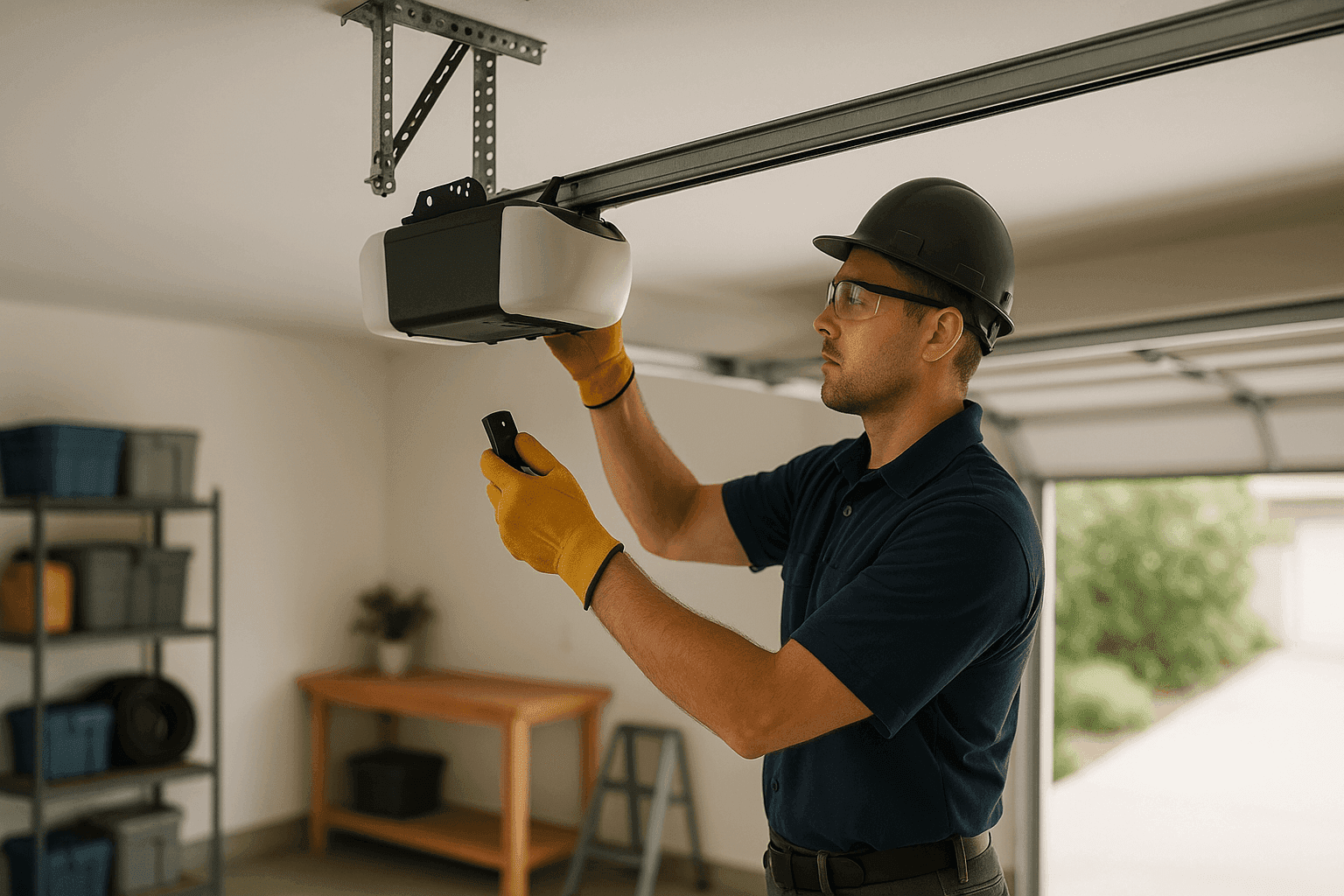
When your garage door opener works like clockwork, you barely notice it. But when it squeals, stalls, or just won’t budge, life gets stuck—literally. Whether you’re a homeowner wanting hassle-free access or a business owner seeking security, picking the right opener matters. At MOM Garage Door!, we’ve seen it all: from outdated motors to high-tech smart systems. Let’s break down what you need to know so you can choose wisely and enjoy smooth, reliable garage_doors for years to come.
A garage door opener is more than a button. It’s about safety, convenience, and protecting what matters most. Here’s how to make sense of the options—without the techy confusion.
Types of Garage Door Openers Explained 🛠️
Choosing a garage door opener is like picking the right pair of shoes: it has to fit your lifestyle, budget, and daily demands. Here’s a quick look at the main types and how they stack up.
Chain Drive Openers
- How they work: A metal chain pulls or pushes a trolley that moves the door.
- Pros: Durable, affordable, and powerful—great for heavy or oversized insulated garage doors near you.
- Cons: Noisy. Best for detached garages or commercial spaces where sound isn’t an issue.
Belt Drive Openers
- How they work: Uses a steel-reinforced belt instead of a chain.
- Pros: Quieter than chain drives. Ideal for garages attached to living spaces.
- Cons: Slightly higher price, but many find the peace and quiet worth it.
Screw Drive Openers
- How they work: A threaded steel rod rotates to move the door.
- Pros: Fewer moving parts, so there’s less wear and tear. Performs well in moderate climates.
- Cons: Can struggle in extreme temperatures; not as silent as belt drives.
Smart/Wi-Fi Garage Door Openers
- How they work: Connects to your phone or smart home system for remote control and monitoring.
- Pros: Ultimate convenience. Get alerts, open/close your garage from anywhere, integrate with security systems.
- Cons: Setup can be tricky. Internet outages may affect operation.
No matter your choice, compatibility with your existing garage_doors—whether tilt-up, sectional, or custom—is key. Not all openers suit every door, especially if you have an older or heavier commercial garage door.
Key Features to Consider (Security, Noise, Smart Options) 🔒
A garage door opener isn’t just a motor—it’s your front-line defense and your daily shortcut. Here’s what to look for:
- Security: Look for rolling code technology. This means the code changes every time you use the remote, making it nearly impossible for outsiders to copy.
- Backup Power: Power outages happen. Models with battery backup keep you moving even when the lights go out.
- Noise Level: Consider your living arrangements. If bedrooms are nearby, opt for a belt drive or newer, quieter technology.
- Smart Connectivity: Wi-Fi and Bluetooth options let you control and monitor your garage_doors from your phone or via voice assistants.
- Lighting: Built-in LED or motion-sensing lights add safety and convenience.
- Safety Sensors: These detect obstacles and reverse the door, helping prevent accidents—especially important if you have kids or pets.
- Compatibility: Make sure the opener matches your door type—sectional, roll-up, insulated, carriage house, or custom garage doors.
- Warranty & Certifications: Look for products tested to UL 325 safety standards and those carrying marks from recognized organizations like DASMA (Door & Access Systems Manufacturers Association).
Keep these features in mind, and you’ll land an opener that’s both secure and a pleasure to use.
Professional vs. DIY Installation: Pros & Cons
Installing a garage door opener seems simple—until you’re on a ladder, facing a tangle of wires and a 200-pound door. Should you tackle it yourself, or call in the pros from MOM Garage Door!? Here’s what each path looks like.
DIY Installation
Pros:
- Potentially saves money.
- Satisfaction of a job well done.
Cons:
- Can be physically demanding and time-consuming (expect 4–6 hours for most first-timers).
- Risk of injury—garage doors weigh more than you think, and springs are under high tension.
- Mistakes can void warranties or damage your garage_doors and opener.
- Programming remotes and keypads isn’t always intuitive.
Professional Installation
Pros:
- Fast, safe, and code-compliant installation.
- Pros inspect for hidden issues: worn rollers, bent tracks, frayed cables, or outdated safety sensors.
- Full system testing, including remote programming and keypad setup.
- Access to high-quality openers and accessories, often with better warranties.
Cons:
- Higher upfront cost, but often offset by peace of mind and long-term reliability.
Tip: According to the International Door Association, improper installation is a leading cause of garage door accidents. If in doubt, let a certified technician handle the heavy lifting.
Remote Programming & Keypad Setup
You’ve installed your opener—now it’s time for the magic: remote and keypad access. Here’s how to get started without breaking a sweat.
Step-by-Step Remote Programming
- Locate the “Learn” Button: This is usually on the opener’s motor unit. It might be hidden under a light cover or panel.
- Press the Button: Hold until the indicator light blinks (usually a few seconds).
- Sync the Remote: Within 30 seconds, press the button on your remote. The opener light should blink or click, confirming success.
- Test: Stand back and press the remote. If your garage_doors move, you’re set!
Keypad Setup
- Find the Program Button: Check your keypad’s instructions—location varies.
- Enter Your PIN: Choose a code that’s easy for you but hard for others to guess.
- Sync with the Opener: Follow the prompts to link the keypad to your opener. Some models require pressing the “Learn” button again.
- Test the Keypad: Try your code. If the door moves, you’re good to go.
Troubleshooting: If programming fails, check battery levels, ensure you’re within range, and confirm you’re following the manufacturer’s instructions. For older openers, some remotes may not be compatible with new models—contact MOM Garage Door! for guidance on garage door accessories and upgrades.
Maintenance for Long-Term Performance 🧰
A smooth-running garage door opener can last for years with a little TLC. Here’s how to keep everything humming along.
- Visual Inspection: Look for loose hardware, sagging chains or belts, and frayed cables.
- Lubrication: Apply a garage door lubricant to rollers, hinges, and tracks every six months. Avoid grease—it attracts dust.
- Balance Test: Disconnect the opener and manually lift the door halfway. It should stay put. If it drops or shoots up, springs may need adjustment.
- Sensor Alignment: Make sure safety sensors are clean and facing each other. Misaligned sensors can prevent the door from closing.
- Weatherstripping & Seals: Inspect for cracks or gaps. Replace as needed to keep out drafts, pests, and moisture.
- Professional Tune-Up: Schedule annual maintenance with a certified technician. They’ll spot issues before they become costly repairs.
Following these steps can extend the life of your opener and help you avoid inconvenient breakdowns.
When to Call for Emergency Garage Door Service
Sometimes, things go south fast—a snapped spring, a jammed door, or a dead opener. Here’s when to call MOM Garage Door! for emergency garage door services:
- Door won’t open or close at all (and you need access now).
- Cable is visibly frayed or broken.
- Loud grinding or banging sounds.
- Door is crooked or off its tracks.
- Safety sensors malfunctioning, putting people or property at risk.
Trying to force a stuck door or DIY a spring replacement can be dangerous. If it feels risky, it probably is—let the pros handle it.
Local and Seasonal Considerations
Garage door openers don’t operate in a vacuum. Weather, temperature, and local building codes all play a part.
- Cold Climates: Belt drives and insulated garage doors near you help minimize noise and energy loss in winter.
- Humid or Coastal Areas: Look for openers with rust-resistant hardware and weatherproof seals.
- Power Outages: Battery backup is a must where storms or grid issues are common.
- Building Codes: Always check local regulations before installing garage door openers, especially for commercial garage doors. Adhering to standards like UL 325 is essential for safety and insurance compliance.
Frequently Asked Questions
How long does a garage door opener last?
With regular maintenance, most openers last 10–15 years.
Can I use my old remote with a new opener?
Maybe. Compatibility depends on the model and frequency. Sometimes, an upgrade to a universal remote or keyless entry is the easiest fix.
What if my garage door opener is noisy?
Noise often means worn parts or the wrong drive type for your setup. Consider switching to a belt drive, or have a pro inspect for issues with rollers, tracks, or hardware.
Is it safe to install an opener myself?
If you’re comfortable with tools and follow all instructions, it’s possible. But springs and cables are under tension—and mistakes can be serious. When in doubt, call a qualified technician.
Choosing the right garage door opener isn’t just about convenience—it’s about safety, security, and peace of mind. Whether you’re installing a new system, upgrading to smart controls, or just need a tune-up, MOM Garage Door! is here for you.
Call MOM Garage Door! now — or reach us anytime at 877-748-7014 .