The Complete Guide to Insulated Garage Doors: Benefits, Costs & Maintenance
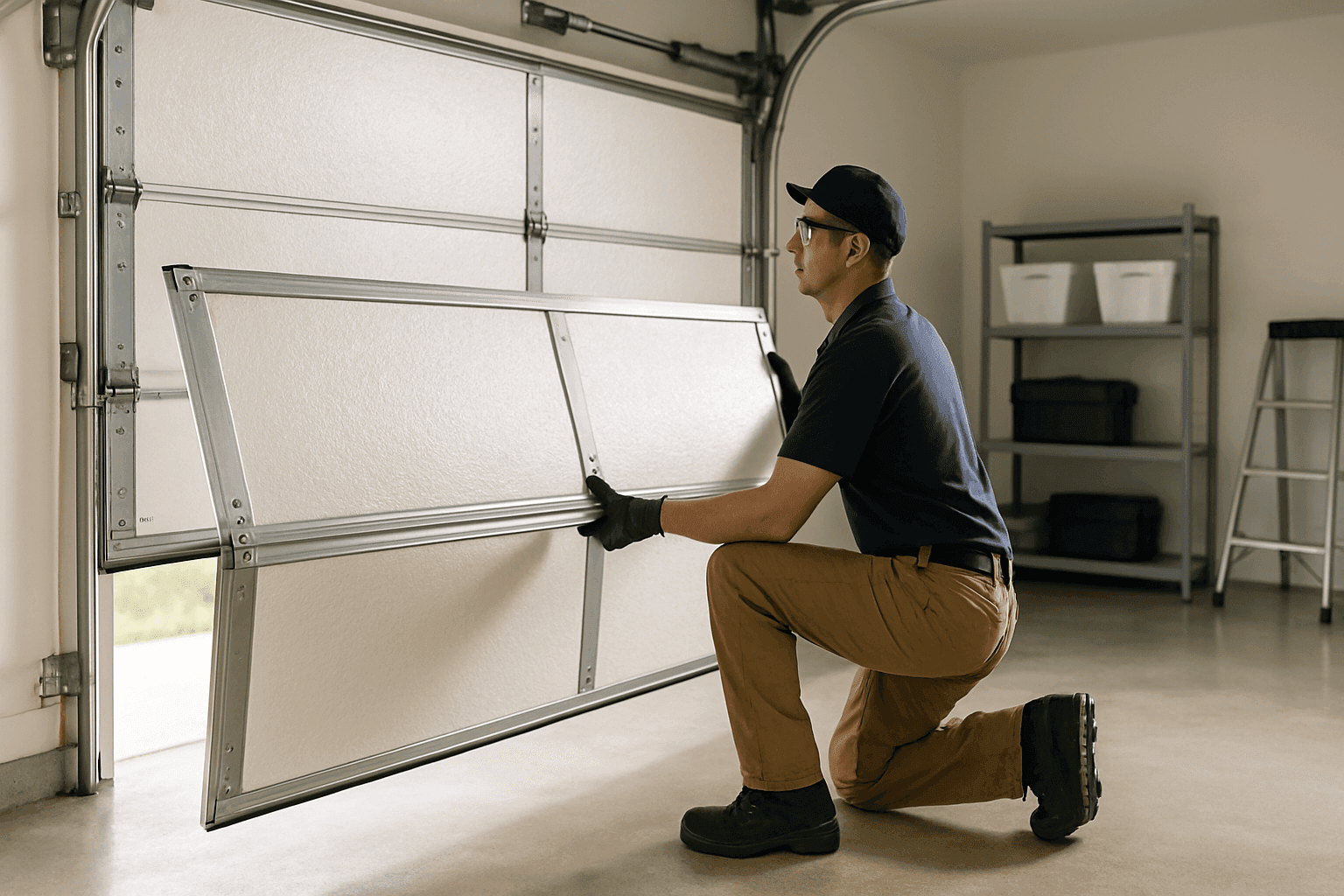
Every day, your garage doors play gatekeeper to your home or business. They keep out the weather, shield your belongings, and can even impact your monthly bills. But are they doing enough? If the garage feels like an oven in July and a freezer in January, it’s time to look at insulated garage doors.
At MOM Garage Door!, we’ve seen how the right door can transform comfort and savings. Let’s cut through the confusion and break down what insulated garage doors really offer—and why they’re more than just a luxury for homeowners and businesses alike.
What Are Insulated Garage Doors? 🛠️
Insulated garage doors are built like a sandwich. Imagine two sturdy pieces of bread—usually steel or aluminum panels—with a hearty filling of insulation pressed in between. That “filling” is often made from polystyrene or polyurethane foam. The result? A door that’s stronger, thicker, and smarter at keeping temperatures steady.
Materials That Matter
- Steel: Common for its strength and security. Often paired with insulation for durability.
- Aluminum: Lightweight and rust-resistant. Great for modern looks.
- Wood: Classic and customizable, though heavier and may need more upkeep.
- Composite: Blends materials for style and performance.
How Insulation Works
Insulation acts like a cozy blanket. It traps warm air in winter and blocks heat in summer, keeping your garage (and adjacent rooms) more comfortable. The effectiveness is measured by R-value—the higher the R-value, the better the door is at resisting heat flow.
Key Benefits: Energy Savings & Comfort
Why make the switch? Insulated garage doors pack a punch in ways you’ll feel every day.
- Lower Energy Bills: Insulated garage doors near you can cut heating and cooling costs. Less air leaks in or out, so your HVAC system works less.
- Year-Round Comfort: Keeps the garage from turning into a sauna or an icebox. This matters if you use the space for laundry, storage, hobbies, or as a work zone.
- Protects Vehicles & Belongings: Extreme cold or heat can damage batteries, paint, and electronics. Insulation helps buffer those swings.
- Noise Reduction: Like closing a thick window, insulated doors hush street noise and keep your own activities more private.
- Boosted Durability: The layered build helps these doors stand up to daily wear, bumps, and even the occasional impact.
For businesses, insulation protects inventory and equipment, and can even help meet certain building code requirements (see resources from the International Door Association and local building authorities).
Cost Breakdown: Factors That Affect Price
Investing in insulated garage doors is a smart move, but what will it really cost? Here’s what shapes the price tag:
- Door Size & Type: Single doors cost less than double; extra-tall or custom shapes add expense.
- Material: Steel and composite tend to be more affordable than premium woods.
- Insulation Type & R-Value: Thicker, higher R-value means better performance—and a bit more upfront.
- Windows & Decorative Details: Carriage house styles, windows, or specialty hardware can increase the price.
- Labor & Installation: Professional installation ensures safety and code compliance—don’t skimp here.
- Commercial vs. Residential: Commercial-grade doors often cost more due to size and security needs.
Expect a basic insulated door to start in the low-to-mid hundreds (for small residential), with high-end or custom options reaching into several thousand for large or commercial applications. Maintenance adds a small annual cost—usually less than a few cups of coffee a month spread over the year.
Maintenance Essentials for Longevity
Insulated garage doors are built to last, but a little care goes a long way. Think of it like regular oil changes for your car—small steps that keep big problems at bay.
DIY Maintenance Checklist
- Visual Inspection: Look for dents, rust, or cracked panels monthly.
- Lubricate Moving Parts: Tracks, rollers, hinges—keep them moving quietly.
- Check Seals & Weatherstripping: Replace if brittle or peeling to keep out drafts and pests.
- Test Door Balance: Disconnect the opener and lift the door. If it’s hard to move or won’t stay halfway, call a pro.
- Clean Surfaces: Wipe panels and windows with mild soap.
When to Call a Professional
- Spring Replacement: High-tension springs can be dangerous—leave it to trained technicians.
- Cable Repair: Frayed or snapped cables need immediate attention.
- Track Repair or Panel Replacement: Bent tracks or broken panels require specialized tools.
- Opener Issues or Sensor Alignment: For safety and code compliance, let pros handle electrical or sensor work.
We recommend a professional tune-up at least once a year, as suggested by the Door & Access Systems Manufacturers Association (DASMA).
Signs It’s Time to Upgrade
Wondering if your current garage door is past its prime? Watch for these clues:
- Frequent Breakdowns: Repairs are happening more often than not.
- Skyrocketing Utility Bills: Your garage feels drafty or your heater/AC runs nonstop.
- Visible Damage: Warped, cracked, or rusting panels.
- Excessive Noise: Rattling, banging, or squealing means insulation and parts are wearing out.
- Poor Security: Outdated doors are easier targets for unwanted entry.
If you’re seeing these red flags, upgrading to an insulated garage door can pay for itself in comfort, peace of mind, and energy savings.
What to Expect During Installation
Getting a new insulated garage door installed isn’t an all-day ordeal, but it does take planning:
- Site Prep: Clear the area and remove vehicles or valuables.
- Old Door Removal: Professionals will safely dismantle and haul away your old garage door.
- New Door Assembly: Panels, hardware, tracks, and springs are installed and adjusted.
- Opener & Accessories: If upgrading, remotes, keypads, and sensors are set up.
- Safety Testing: All functions are checked for smooth, safe operation.
Professional installers follow manufacturer guidelines and local building codes. For businesses, compliance with OSHA workplace safety standards also matters.
Insulated Garage Doors: Residential & Commercial Value
Insulated garage doors aren’t just for homes. Here’s why business owners choose them too:
- Inventory Protection: Keeps stock safe from temperature swings.
- Workplace Comfort: Employees work better when not shivering or sweating.
- Energy Efficiency: Lower utility bills mean better margins.
- Noise Control: Keeps machinery sounds in, street noise out.
No matter the building, insulated options offer a return on investment that keeps paying back.
FAQ: Insulated Garage Doors
Are insulated garage doors really worth it?
Yes. The savings on energy bills, added comfort, and increased durability make insulated doors a smart investment.
How often should I maintain my insulated garage door?
Inspect monthly and schedule a professional tune-up once a year for best results.
Can I upgrade my existing garage door with insulation?
Some doors can be retrofitted with insulation kits, but full replacement offers the best performance and reliability.
What R-value should I look for?
For most homes, an R-value of 6–10 is sufficient. For attached garages or extreme climates, aim higher. Consult the U.S. Department of Energy for guidance.
Local & Seasonal Considerations
Climate plays a big role in how much you’ll benefit. In regions with freezing winters or blazing summers, insulation delivers maximum payoff. In coastal areas, it also helps guard against humidity and salt corrosion. For commercial sites, check local building codes for minimum R-value requirements.
Ready for a Garage Door That Works Smarter?
Insulated garage doors are more than just a panel on hinges—they’re an investment in comfort, security, and savings. Whether you’re a homeowner tired of drafty floors or a business owner protecting inventory, the right door can change the way you work and live.
Call MOM Garage Door! now — or reach us anytime at 877-748-7014 .