Preventing Garage Door Emergencies: Essential Seasonal Maintenance Checklist
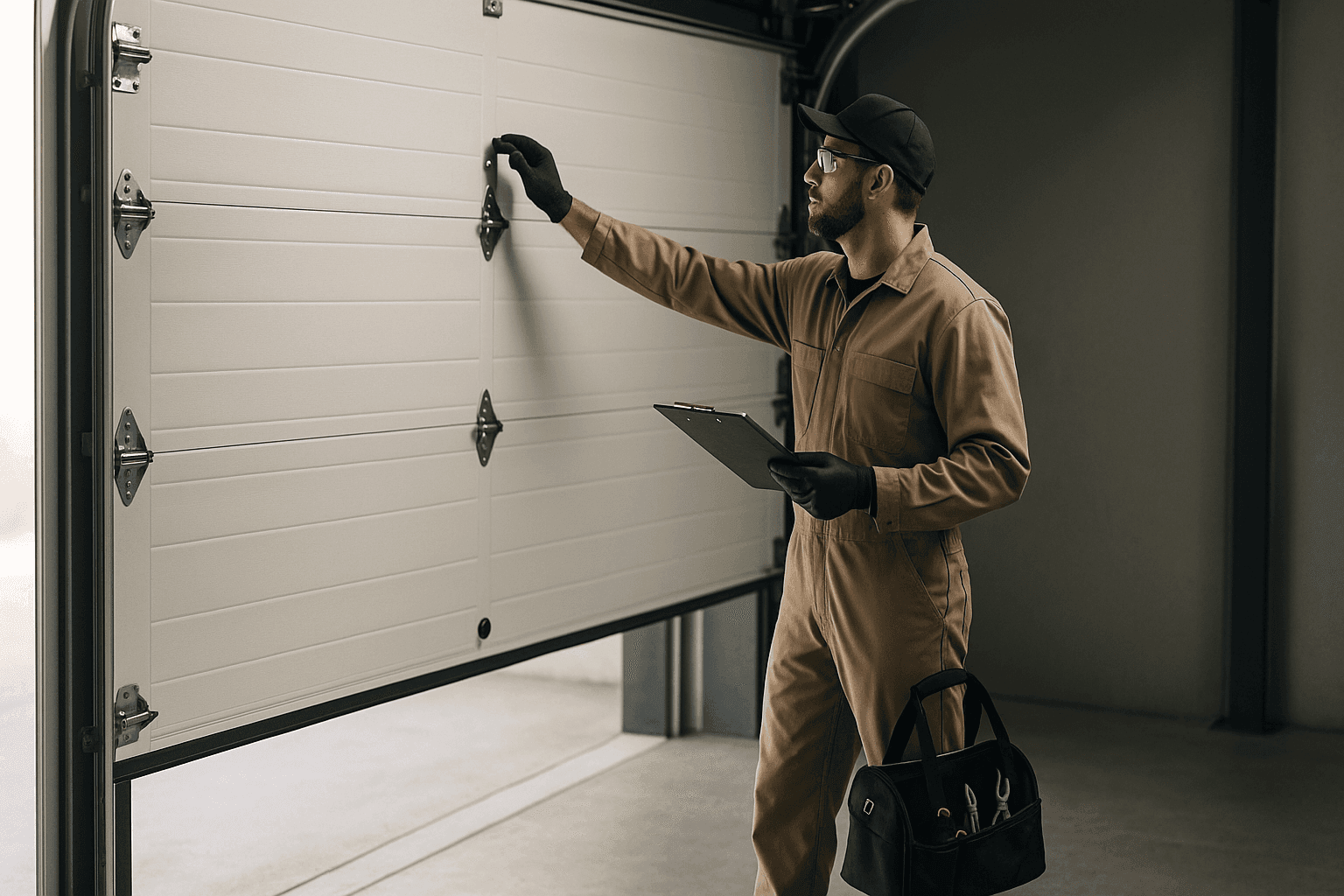
Accidents don’t make appointments. Neither do broken springs or stuck garage doors. Whether you’re a homeowner prepping for winter or a business owner bracing for peak season, one thing’s for sure: a garage door emergency can bring everything to a standstill. At MOM Garage Door!, we’ve seen firsthand that a little seasonal care goes a long way—saving you time, money, and headaches down the road.
Let’s break down the essential steps every property owner should take to keep their garage doors running smoothly all year long. Think of this guide as your personal cheat sheet to peace of mind.
Why Seasonal Garage Door Maintenance Matters 🛠️
Imagine your garage door as the front line, shielding your home or business from storms, cold snaps, and daily wear. Just like your car or HVAC system, it needs regular checkups to perform its best. Seasonal maintenance isn’t just about avoiding inconvenience—it’s about safety.
Over time, even the toughest garage doors face stress from changing temperatures, humidity, and increased use (especially around holidays and storm seasons). A neglected door can mean sudden breakdowns, leaving you stuck in the driveway or, worse, compromising building security.
Routine care helps you:
- Prevent surprise failures during storms or freezes
- Spot small issues before they become big, expensive emergencies
- Extend the lifespan of your garage doors and openers
- Keep everyone safe—family, employees, or customers
The International Door Association and DASMA (Door & Access Systems Manufacturers Association) both recommend semi-annual inspections for all garage doors—residential and commercial alike.
Spring & Fall: What to Inspect
Spring and fall are prime seasons for a garage door tune-up. Here’s what every property owner should check:
1. Rollers & Hinges:
Listen for squeaks, grinding, or wobbling. Lubricate with a silicone-based spray—never grease.
2. Springs:
Look for gaps, rust, or stretching. Springs are under high tension; don’t try to adjust them yourself.
3. Tracks:
Clear debris and check for bends or misalignment. Gently wipe clean.
4. Cables:
Fraying, slack, or rusted cables are a red flag. These are best handled by a professional.
5. Fasteners:
Tighten loose bolts, screws, and brackets. Vibrations from daily use can loosen them over time.
6. Garage Door Opener:
Test the auto-reverse feature with a piece of wood. If it doesn’t reverse immediately, it’s time for adjustment.
7. Remote & Keypad Batteries:
Replace batteries before they die—especially before winter or a holiday surge in use.
8. Weatherstripping:
Check the bottom seal and sides for cracks, gaps, or brittleness. Replace as needed to keep the weather out.
Weatherproofing: Seals, Sensors, and More
Garage doors are more than metal and paint—they’re a barrier against wind, rain, and cold.
Weather Seals:
Old or cracked seals let in drafts, pests, and moisture. Inspect the threshold and perimeter seals every season.
Safety Sensors:
Wipe dust and cobwebs from photo-eye sensors. Misaligned or dirty sensors can make the opener unreliable—or unsafe.
Insulation:
If you have insulated garage doors, inspect the panels for moisture or damage. Well-maintained insulation keeps interior temperatures stable and energy bills lower.
Weatherstripping Installation:
If you notice daylight peeking in around your door, it’s time to install fresh weatherstripping. It’s a simple step with big benefits for both comfort and door longevity.
Signs of Wear That Lead to Emergencies ⚠️
Don’t ignore these warning signs—they’re the garage door’s way of waving a red flag:
- The door shakes or jerks when opening/closing
- Unusual noises: grinding, banging, or squealing
- The door moves unevenly or sags on one side
- Opener struggles or stalls
- Door won’t fully open or close
- Visible rust, fraying, or broken hardware
These symptoms can point to failing springs, worn rollers, or misaligned tracks—all of which can escalate into emergencies if left unchecked.
Professional Maintenance: What to Expect
Calling a certified technician from MOM Garage Door! brings peace of mind and a trained eye for hidden problems.
Here’s what a professional service typically includes:
- Full door balance and force test (per manufacturer guidelines)
- Inspection and lubrication of rollers, hinges, springs, and tracks
- Tightening and adjustment of all moving parts
- Testing opener safety and auto-reverse features
- Checking and aligning sensors
- Inspecting cables, drums, and pulleys for wear
- Replacing worn weatherstripping or seals
- Documenting any code or safety compliance issues
Certified pros follow the latest manufacturer and building code standards, ensuring your garage door system is safe, smooth, and reliable.
Practical Checklist: What You Can Do
You don’t need a toolbox full of gadgets. Here’s a quick, actionable list for homeowners and business owners alike:
- Lubricate rollers and hinges twice a year
- Tighten all visible hardware
- Test the auto-reverse by placing a 2x4 under the door
- Clean and align safety sensors
- Inspect weatherstripping and seals for gaps or cracks
- Replace remote/keypad batteries annually, or as needed
- Watch for signs of wear (see above section)
- Never attempt spring or cable repairs without training
Set a calendar reminder for spring and fall—your garage door (and your nerves) will thank you.
Certified Technician Best Practices
When MOM Garage Door! technicians arrive, they bring more than tools—they follow strict safety protocols:
- Always disconnect power before working on electrical components
- Use manufacturer-recommended lubricants and parts
- Wear protective gear for spring and cable work
- Document all findings and recommendations
- Dispose of old hardware safely
We don’t cut corners. Our approach aligns with the International Door Association’s safety guidelines and local building requirements.
DIY vs. Call a Pro
Some tasks are perfect for a Saturday morning. Others, not so much.
DIY-Friendly:
- Lubricating rollers and hinges
- Cleaning tracks and sensors
- Testing opener safety features
- Replacing remote/keypad batteries
Call a Pro For:
- Spring or cable replacement
- Track repair or realignment
- Opener motor or circuit issues
- Major panel or hardware damage
- Commercial garage doors with advanced mechanisms
Always err on the side of caution. Springs and cables are under extreme tension—improper handling can cause injury or worsen the problem.
Lifespan Benefits and Peace of Mind
Routine maintenance isn’t just about preventing emergencies. It’s about extending the life of your garage doors, reducing costly repairs, and keeping your property secure.
Benefits include:
- Fewer breakdowns during storm or freeze events
- Lower utility bills with tight-sealing insulated garage doors
- Smoother, quieter operation
- Higher property value and curb appeal
- Confidence during high-traffic periods (like holidays or business rushes)
A well-maintained garage door can last up to 15–20 years. Neglecting it? Expect costly replacements or emergency calls in half that time.
Emergency Garage Door Services: When Time Matters Most
Even with the best care, emergencies can strike. Here’s what qualifies as urgent:
- Door is stuck open, risking security
- Broken spring or cable, making the door immovable
- Vehicle trapped inside/outside
- Door off its tracks and unable to close
- Opener fails to respond with no warning
In these cases, don’t force the door or attempt makeshift repairs. Call your local emergency garage door service for safe, prompt help.
Frequently Asked Questions
How often should I maintain my garage door?
The International Door Association recommends a professional inspection and tune-up at least twice a year, plus monthly visual checks by the owner.
Is it safe to repair garage door springs myself?
No. Springs are under extreme tension and can cause serious injury. Always call a certified technician.
What’s the best way to weatherproof my garage door?
Inspect and replace weatherstripping, thresholds, and seals regularly. Consider insulated garage doors for added protection.
How do I know if my garage door opener is failing?
Watch for slow operation, strange noises, or inconsistent response. Test the auto-reverse and replace batteries before assuming a major issue.
Local/Seasonal Considerations ❄️
No matter where you live, seasonal shifts affect garage doors. Humid summers can cause swelling and sticky tracks; freezing temperatures stress springs and seals. If storms are common, check for water intrusion and reinforce weather seals before the season starts.
For both residential and commercial properties, scheduling maintenance before the first cold snap—or ahead of a busy season—can prevent last-minute emergencies. Roll-up, sectional, carriage house, and insulated garage doors all benefit from this routine.
Ready for a Worry-Free Season?
Don’t wait for a breakdown to disrupt your day. With MOM Garage Door!’s seasonal checklist, you can keep your garage doors moving safely and smoothly—no matter what the weather or calendar brings.
Call MOM Garage Door! now — or reach us anytime at 877-748-7014 .