Hiring a Garage Door Pro: What to Look For & Questions to Ask Before You Book
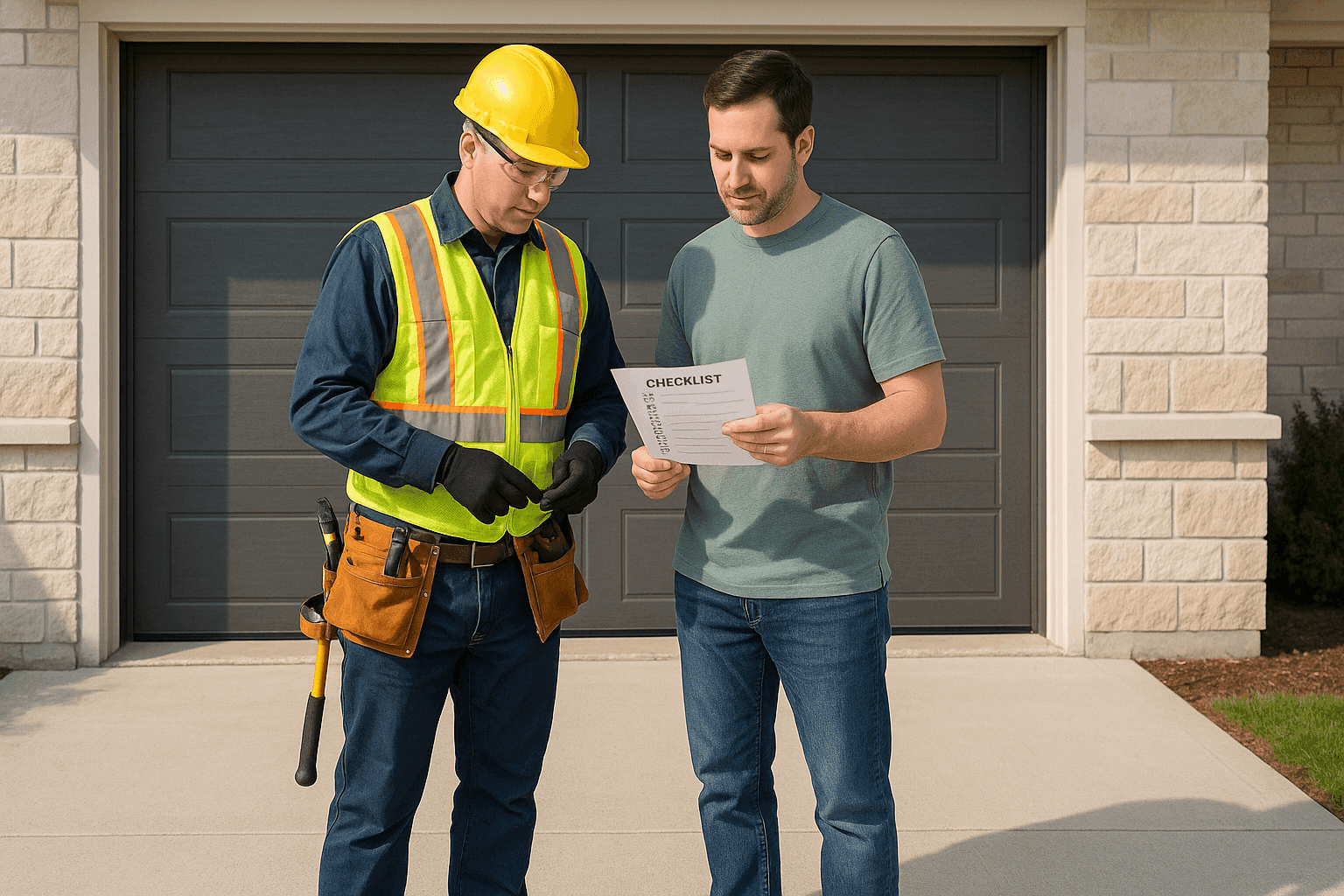
You don’t think about your garage door until it won’t open. Or it gets stuck halfway, creaking like an old barn in a storm. Suddenly, that massive panel is the only thing standing between your car and the world. When things go wrong, you need help. Fast. But how do you know you’re hiring the right pro?
At MOM Garage Door!, we know that the difference between a smooth fix and a costly headache comes down to who you invite onto your property. Here’s how to choose a garage door specialist—so you can sleep easy, knowing your home or business is secure.
Why Hiring the Right Pro Matters 🛠️
Garage doors are heavy. Their springs are under tension that could launch a bowling ball across a room. A rushed repair or sloppy installation is more than inconvenient—it’s dangerous. Whether you’re installing Custom Garage Doors, fixing a broken opener, or swapping weather seals, you need someone who treats safety as non-negotiable.
The right professional brings more than tools. They bring training, respect for your property, and an understanding of current safety codes—like those set out by the Door & Access Systems Manufacturers Association (DASMA) and Occupational Safety and Health Administration (OSHA).
A good garage door tech isn’t just someone who can swap out a spring. They’re someone who will explain what’s wrong, what needs fixing, and how long it’ll take—so you’re never left guessing.
Credentials & Certifications to Check
Would you let just anyone work on your car’s brakes? Your garage door deserves the same care. Before you book, check for:
- Licensing: Ask if the company is licensed for residential and commercial garage_doors work in your area.
- Insurance: Protect yourself—make sure your pro carries liability and worker’s compensation insurance.
- Experience: Look for technicians with years in the trade and up-to-date training. Bonus points for manufacturer certifications (for brands like LiftMaster, Genie, or Chamberlain).
- Professional Affiliations: Membership in industry associations (like IDA or DASMA) signals commitment to best practices.
A reputable company will gladly provide these details. If they dodge the question, keep looking.
Safety, Insurance, and Warranty Essentials
Safety isn’t just about the moment your door moves. It’s about what happens days, weeks, or months down the line.
Insurance covers you if something goes wrong during the repair or installation. If a worker gets injured or damage occurs to your home, you’re not left holding the bill.
Warranties are your safety net against faulty parts or workmanship. Ask:
- What’s covered (labor, parts, both)?
- How long does the coverage last?
- What voids the warranty?
Look for clear, written policies—not just verbal promises.
Key Questions to Ask Before Hiring
Don’t be shy. You’re letting someone into your home or business. Ask these questions:
- How long have you been servicing garage_doors?
- Good answer: Several years, with references available.
- Can you show proof of insurance and licensing?
- Good answer: Yes, here’s the paperwork.
- Do you have experience with my type of door (Insulated, Carriage House, Commercial)?
- Good answer: Yes, and examples of similar projects.
- What’s your process for diagnosing and quoting repairs?
- Good answer: We inspect, explain the issue, and provide a written estimate before work begins.
- What’s included in your estimate?
- Good answer: Labor, parts, removal of old parts, and any potential additional costs.
- How soon can you complete the work?
- Good answer: A clear timeline—especially critical for emergency garage door services.
- What’s your warranty policy?
- Good answer: Written warranty details, not just a handshake.
- Can you provide references or recent reviews?
- Good answer: Yes, and they’re happy to share them.
If the answers are vague, generic, or defensive—move on.
Red Flags & How to Avoid Scams 🚩
Unfortunately, not every company plays fair. Watch out for:
- No physical address or website: A real business should have both, even if they focus on “garage door repair near you.”
- High-pressure sales or “today-only” offers: Quality work doesn’t need gimmicks.
- Unmarked vehicles or no uniforms: Professionals take pride in presentation.
- Refusal to provide written estimates: Verbal quotes can change—get it in writing.
- Asking for full payment upfront: A small deposit may be reasonable, but the full amount before any work is done is a red flag.
Check online reviews, but read them carefully. Look for patterns, not just star ratings. If something feels off, trust your gut.
How to Vet Reviews & References
A glowing review is nice, but a real reference is gold. Here’s how to dig deeper:
- Ask for recent customers: Not just the “best” ones. Recent jobs matter.
- Read between the lines: Look for comments about punctuality, respectfulness, and follow-through.
- Check multiple sources: Google, Yelp, and even the Better Business Bureau.
- Beware of vague or overly generic praise: Real customers share details.
When talking to references, ask, “Would you hire them again?” That’s the only question that really matters.
Upfront Estimates, Timelines & Warranty Coverage
Transparency is a sign of professionalism. Before any work begins, you should have:
- A detailed written estimate: Including labor, materials, and any disposal or haul-away fees.
- Clear timeline: When will work begin and end? What could delay the project?
- Written warranty: Make sure you understand what’s covered and for how long.
Good contractors welcome your questions. If you feel brushed off, you can do better.
Why Experience with Your Door Type Matters
Garage doors come in all shapes—sectional, tilt-up, roll-up, custom, insulated, and commercial. Each type requires specific skills, tools, and sometimes manufacturer training.
For example:
- Insulated Garage Doors near you need careful weatherstripping to maximize energy savings.
- Commercial Garage Doors involve heavier materials and strict safety codes.
- Carriage House Garage Doors add curb appeal but demand precision installation.
Always ask if your pro has handled your specific door style. The more experience, the smoother your project will go.
The Value of Professionalism & Customer Service
Beyond technical skills, professionalism shows in the little things:
- Prompt replies to your calls and emails.
- Showing up on time, in uniform, with marked vehicles.
- Respect for your time and property.
- Explaining things clearly, without jargon.
Great service leaves you feeling informed and at ease, not pressured or confused.
Questions to Ask About Emergency Services
Sometimes, garage door troubles strike at the worst moments—a stuck door during a storm, a broken spring late at night. If you need emergency garage door services, ask:
- Is there an extra charge for after-hours calls?
- How quickly can someone arrive?
- Are replacement parts stocked or special-ordered?
A good company sets realistic expectations, not empty promises.
How to Compare Multiple Garage Door Pros
Don’t settle for the first quote. Compare at least two or three. Look beyond price:
- How thorough was their inspection?
- Did they spot problems the others missed?
- Did they answer your questions patiently?
- Are their reviews consistent?
Choosing a garage door professional is like choosing a mechanic. The cheapest isn’t always the best. Look for value, not just a bargain.
Citing the Pros: Where to Learn More
For deeper dives into safety and standards, check out resources from:
- DASMA (Door & Access Systems Manufacturers Association): Covers everything from spring safety to opener codes.
- OSHA (Occupational Safety and Health Administration): Workplace safety guidelines.
- International Door Association (IDA): Industry best practices.
Reading up pays off. Even a quick scan of these guidelines can help you ask sharper questions.
FAQ: Common Garage Door Hiring Questions
Q: Can I repair my own garage door?
A: Minor fixes like remote battery swaps or weather seal replacement might be DIY. But jobs involving springs, cables, or opener systems should be left to trained professionals—those parts can be hazardous.
Q: How often should garage doors be maintained?
A: Most manufacturers recommend annual maintenance. A pro can check for worn parts, balance, and safety sensor alignment—helping prevent unexpected breakdowns.
Q: What are signs I need a new garage door instead of repairs?
A: If your door is severely warped, cracked, or has chronic mechanical issues, replacement may be more cost-effective. Especially for older doors lacking insulation or modern safety features.
Q: What’s the difference between commercial and residential garage doors?
A: Commercial doors are typically larger, heavier, and built for high-frequency use. They follow stricter codes and often require different openers and safety features.
Final Tips for Hiring—And Peace of Mind
- Don’t rush. Take the time to ask questions and compare.
- Insist on documentation—licensing, insurance, written estimates.
- Trust your instincts. If something feels off, keep looking.
- Remember: It’s not just about fixing a door. It’s about protecting your property, your family, and your peace of mind.
Ready to Book? Here’s Your Next Step
Whether you need Insulated Garage Doors near you, emergency repairs, or a stylish upgrade, MOM Garage Door! is here to help—professionally, safely, and with respect for your time and property.
Call MOM Garage Door! now — or reach us anytime at 877-748-7014 .