Emergency Garage Door Repairs: What Every Homeowner Should Know
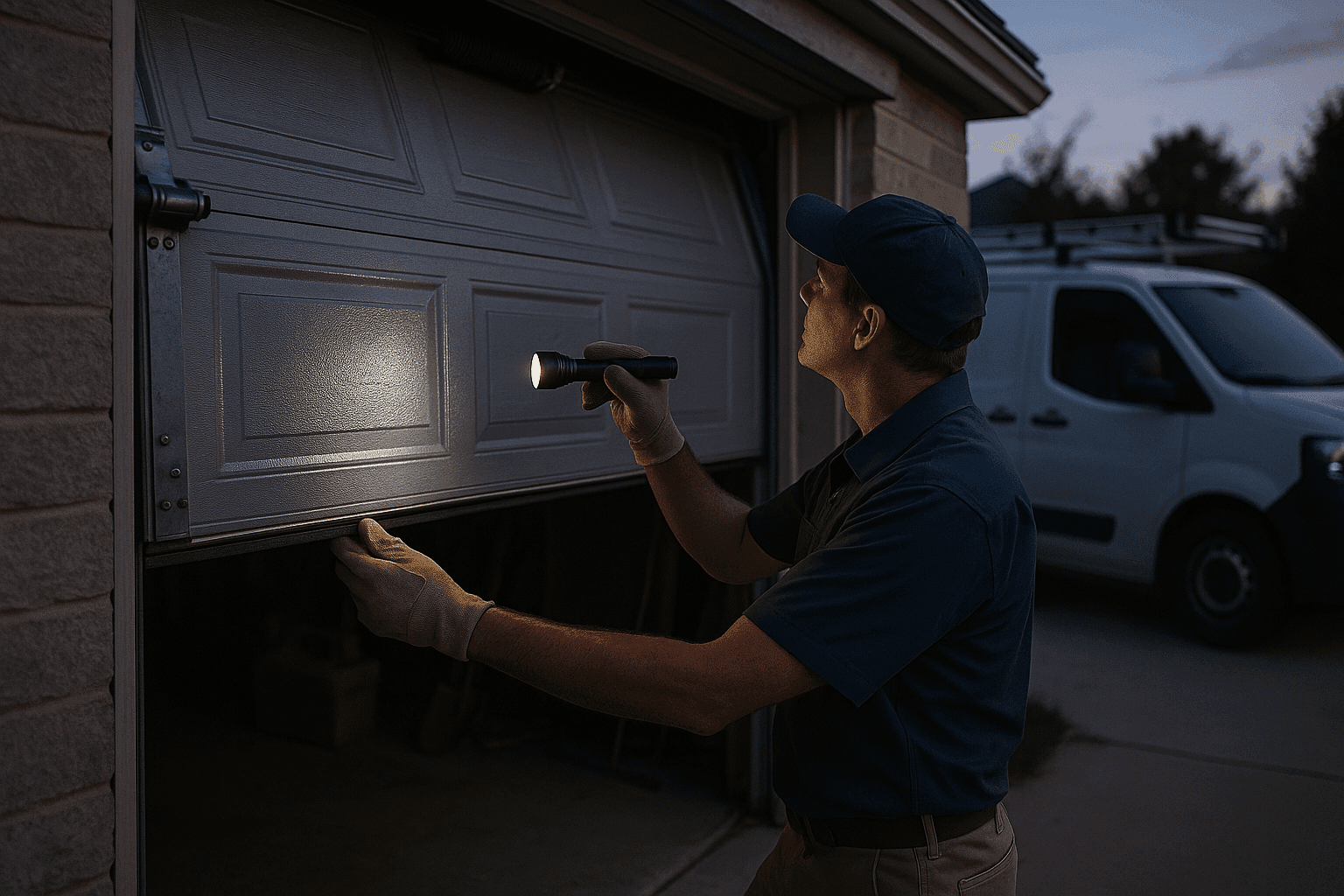
Is your garage door stuck halfway open, making strange noises, or refusing to budge? It’s a sinking feeling—like your home just lost its shield. At MOM Garage Door!, we know emergencies don’t wait for a convenient time. That’s why we’re here around the clock, ready to help you regain control and safety fast.
Garage doors are heavy, complex, and essential for security. When something goes wrong, every minute counts. Here’s what every homeowner should know when facing emergency garage_doors issues.
Common Emergency Garage Door Scenarios 🚨
Garage doors can fail for many reasons, but some problems demand immediate attention. Here are the most frequent emergencies homeowners encounter:
- Broken Springs: Like the backbone of your door, springs bear the weight. When one snaps, the door might slam shut or refuse to open. This is dangerous—never try to fix a spring yourself.
- Malfunctioning Openers: You press the button... nothing happens. Sometimes it’s a power issue, but it could be a fried circuit board or stripped gears.
- Stuck or Off-Track Doors: Doors can jam or come off their tracks due to an obstruction, worn rollers, or a sudden impact. This can leave your home exposed.
- Snapped Cables: Cables help lift the door smoothly. If one breaks, the door may hang crooked or even crash down.
- Sensor Failures: Safety sensors prevent the door from closing on people or pets. If these fail, the door might not close—or worse, it could close unsafely.
- Weather Damage: Wind, ice, or heavy rain can warp panels, freeze mechanisms, or flood opener circuits.
Quick Safety Checklist: What To Do First
Before you do anything else, pause and think safety. Here’s a quick checklist:
- Don’t force the door. Trying to open or close a jammed or heavy door can cause injury.
- Unplug the opener. If the opener is malfunctioning, disconnect it from power to prevent accidental operation.
- Keep children and pets clear. Stay away from the door and moving parts.
- Look for obvious hazards. Check for frayed cables, broken springs, or debris in the tracks.
- Secure your home. If the door won’t close, manually lower it if safe, or block access with a temporary barrier.
- Do not attempt spring or cable repairs. These parts are under extreme tension and can cause serious injury.
DIY or Call a Pro? Knowing Your Limits
It’s tempting to grab a toolbox and “just fix it.” But garage doors are like sleeping giants—quiet until disturbed. Here’s when you can help, and when to call MOM Garage Door!:
Safe DIY Steps
- Reset the opener: Unplug for 30 seconds, then plug back in.
- Check batteries: Fresh batteries in remotes and keypads can solve simple issues.
- Clear tracks: Remove leaves, dirt, or small objects from the tracks.
- Realign sensors: Gently adjust sensors so their lights line up.
When to Call a Professional
- Broken springs or cables: These are extremely dangerous to repair without special tools and training.
- Door off its tracks: Forcing it can bend panels or tracks, making things worse.
- Heavy, unresponsive door: If it won’t budge or feels unusually heavy, the counterbalance may be gone.
- Electrical smells or sparks: Shut off power and call for help immediately.
Remember: The U.S. Consumer Product Safety Commission recommends professional service for most garage door repairs due to injury risks.
What Happens When a Pro Arrives
When you call MOM Garage Door! for emergency garage_doors service, here’s what you can expect:
- Assessment: Certified technicians inspect springs, cables, rollers, tracks, and openers.
- Diagnosis: We’ll pinpoint the cause—mechanical, electrical, or structural.
- Safety First: We secure the door to prevent accidents during repair.
- Repairs: Using industry-standard tools and parts, we fix or replace only what’s needed.
- Testing: We check balance, alignment, and safety systems before leaving.
- Advice: You’ll get tips for preventing future emergencies.
All work follows manufacturer guidelines and recognized safety standards, such as ANSI/CAN/UL 325 for garage door openers.
Prevention & Maintenance: The Best Defense
Most emergencies can be prevented with regular care. Here’s how to keep your garage door running smoothly:
- Inspect monthly: Look for wear, rust, or frayed parts.
- Lubricate moving parts: Hinges, rollers, and tracks need a light garage door lubricant—not WD-40.
- Test safety sensors: Place an object in the door’s path. It should reverse before touching.
- Check weatherstripping: Replace if cracked or missing to keep out water and pests.
- Schedule annual maintenance: A professional tune-up catches small issues before they become big problems.
The International Door Association recommends professional maintenance at least once a year for optimal safety.
Costs & Time Factors: What to Expect
Emergency garage_doors repairs can vary in cost and time, depending on the issue:
- Simple fixes: Sensor realignment or remote reprogramming may take 15–30 minutes.
- Spring or cable replacement: Usually 1–2 hours, depending on door type.
- Panel or track repairs: Can take longer if parts need to be sourced.
- After-hours service: Emergency calls may have a higher service fee, but safety always comes first.
Always ask for an estimate before work begins. MOM Garage Door! will explain what’s needed and why.
When It’s Truly an Emergency
Not every garage door hiccup is urgent, but some situations can’t wait:
- Door stuck open at night: Security risk.
- Door won’t open and car is trapped: Disrupts daily life, especially if you need to leave quickly.
- Broken spring or cable with the door partially open: Risk of sudden drop.
- Unusual noises—grinding, popping, or snapping: Could signal imminent failure.
- Storm damage: Exposes your home to the elements or intruders.
If you’re unsure, it’s always safer to call for advice.
FAQ: Emergency Garage Door Repairs
How dangerous is a broken garage door spring?
Extremely. Springs are tightly wound and can snap with enough force to cause serious injury. Only trained professionals should handle spring repairs.
Can I manually open my garage door during a power outage?
Yes, most doors have a red emergency release cord. Pull it to disconnect the opener, then lift the door carefully. If it feels too heavy or won’t move, stop and call for help.
Why won’t my garage door close all the way?
Possible reasons include blocked sensors, misaligned tracks, or a damaged cable. Start by checking for debris and sensor alignment. If the problem persists, call for service.
How often should I have my garage door serviced?
At least once a year. Regular maintenance helps prevent sudden failures and extends the life of your door and opener.
Special Considerations for Emergency Garage Door Service
- Commercial vs. Residential: Commercial doors are often larger and heavier, requiring specialized parts and training.
- Custom or Insulated Doors: Unique designs may need specific repair techniques or replacement panels.
- Weather Conditions: Extreme cold or heat can affect springs, tracks, and electronics. Rain and wind may cause sudden failures.
- Safety Standards: Always choose technicians certified by recognized organizations, such as the International Door Association or who follow OSHA guidelines.
A garage door is more than a moving wall—it’s a vital part of your home’s security and convenience. When emergencies strike, quick action and the right help make all the difference.
Call MOM Garage Door! now — or reach us anytime at 877-748-7014 .